Firmware v4 is out: CRT simulation, Super-xBR, Tate Mode, a new deinterlacer and more. Read what's new →
Home / Shop / Morph 4K
FPGA video scaler · firmware v4

Morph 4K

A complete 4K video scaler, with the most advanced CRT simulation and deinterlacer ever on an FPGA scaler.

Edition
$299.99 Checking availability…
Every Morph 4K ships with firmware v4. USB-C power supply not included. We recommend the Raspberry Pi power supply (we sell one). A microSD card is needed for firmware updates, presets, masks, bezels and the extra Processing Engines. Manual & docs   Read about v4   Ask on Discord
Overview

Everything it does.

The Morph 4K turns retro and modern sources, up to 1080p, into 4K60 HDMI with 4:4:4 color, HDR10 and a 12-bit linear light pipeline: for consoles, handhelds and PCs alike.

Scaling

Scaling and deinterlacing for every source

  • Lanczos and cubic scaling with anti-ringing, plus Sharp Bilinear.
  • A state-of-the-art motion-adaptive deinterlacer with Edge Smoothing.
  • Film mode (inverse telecine) recovers the original frames of 30 fps PS2 games and DVD films.
  • Auto Sampling finds each analog mode's true pixel grid, and Auto Phase lines up on the center of every pixel.
Smoothing

Smoothing, rotation and downscaling

  • Super-xBR with our perceptual enhancements, on sources up to 1080p.
  • Rotation for vertical games, with Auto Rotation, at one frame of latency.
  • The Rational Decimator recovers native pixels from modern retro ports.
  • xBRZ and Super Eagle for pixel art.
Motion

Low latency and smooth motion

  • Ultra-low-lag and fully buffered framelock modes, with MagicLock2.
  • VRR and Black Frame Insertion.
  • Beam Scan for CRT-like motion clarity.
  • Every effect, including CRT simulation, adds lines of delay, not frames.
CRT simulation

Best-in-class CRT simulation

  • A physical model of the whole display, from the analog signal to the bezel.
  • Energy-conserving scanlines and Phosphor Glow keep the picture bright.
  • HDR lifts highlights well above SDR white.
  • Start from the PDM-20 virtual CRT or real-TV presets.
Connections

Connects to everything

  • HDMI in up to 1080p60.
  • Composite, S-Video, SCART RGB, component and VGA with the Analog Bridge.
  • 4K60 4:4:4 HDMI out with HDR10.
  • Game-ID and controller menu control with a Retro G.E.M.
Expansion

Built to expand

  • WiFi updates and a Web Interface with a live mask creator.
  • Analog Bridge, available now.
  • Planned: analog output card (release date TBD).
  • A case that opens with a screwdriver.
Processing Engines

One box, four engines.

The Morph 4K is reprogrammable hardware. Instead of one pipeline that does everything at a compromise, it loads a Processing Engine built for the job.

Physical Display Model

240p and 480i consoles

The full Beam-to-Glass CRT simulation and the PDM-20 virtual CRT.

Universal Adaptive

Any input

Heavy 480i, 3D, video and PC sources. Film mode (inverse telecine) and Edge Smoothing.

Spatial Super Resolution

Progressive sources

3D and pixel art, with Super-xBR, xBRZ and Super Eagle.

Tate Mode

Vertical arcade games

Rotated upright for a normal TV, at one frame of latency.

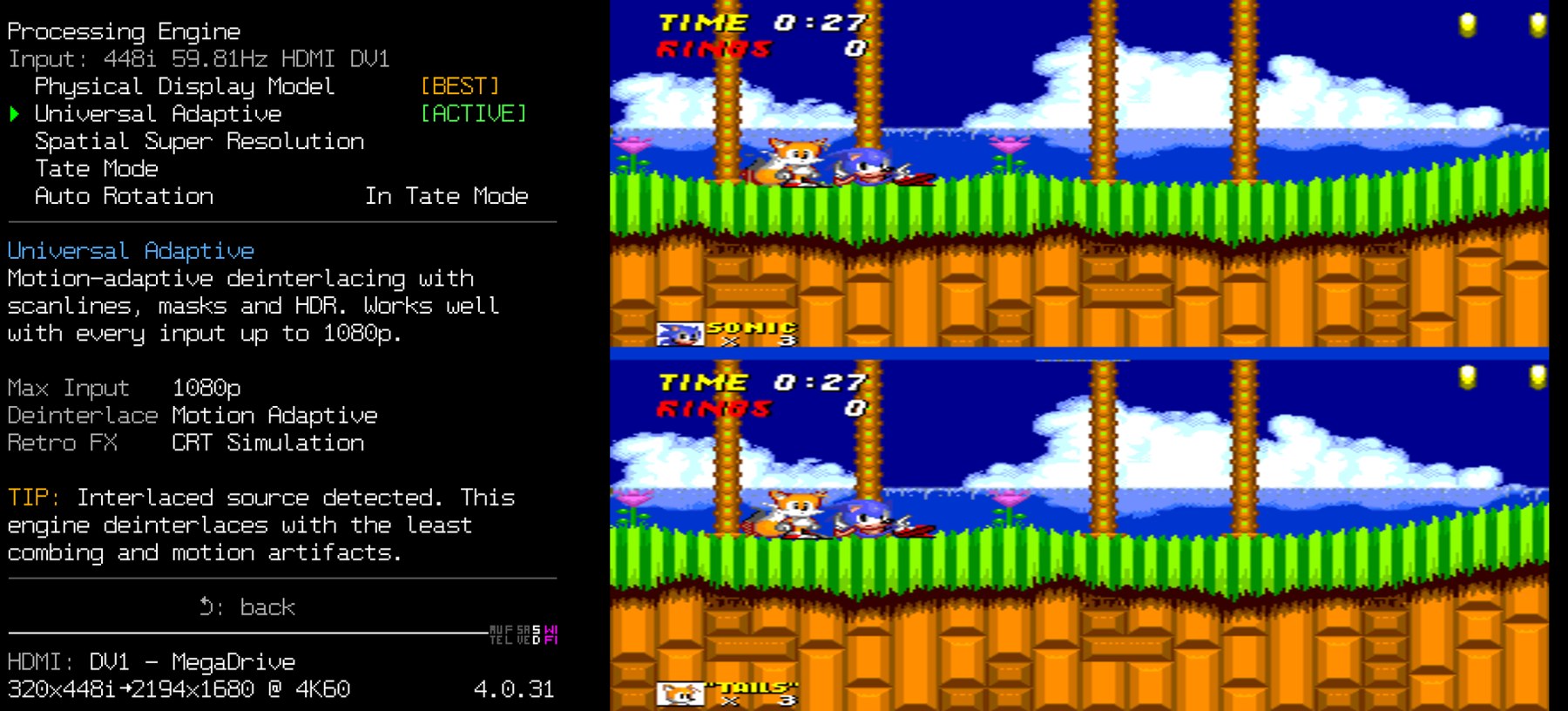
The Processing Engine menu
Processing Engine menu · Sonic 2, two-player 480iOSD

The Processing Engine menu shows your input and marks the best engine for it.

01The CRT look · Physical Display Model
Beam-to-Glass CRT Simulation

A physical model of the whole display.

The look we remember came from a chain of real hardware. Firmware v4 simulates that chain live on real consoles, at 4K60, inside the FPGA.

  1. Signal
    1. Console
    2. Encoder
    3. Cable
    4. Decoder
  2. Display
    1. Beam
    2. Mask
    3. Glass
    4. Bezel
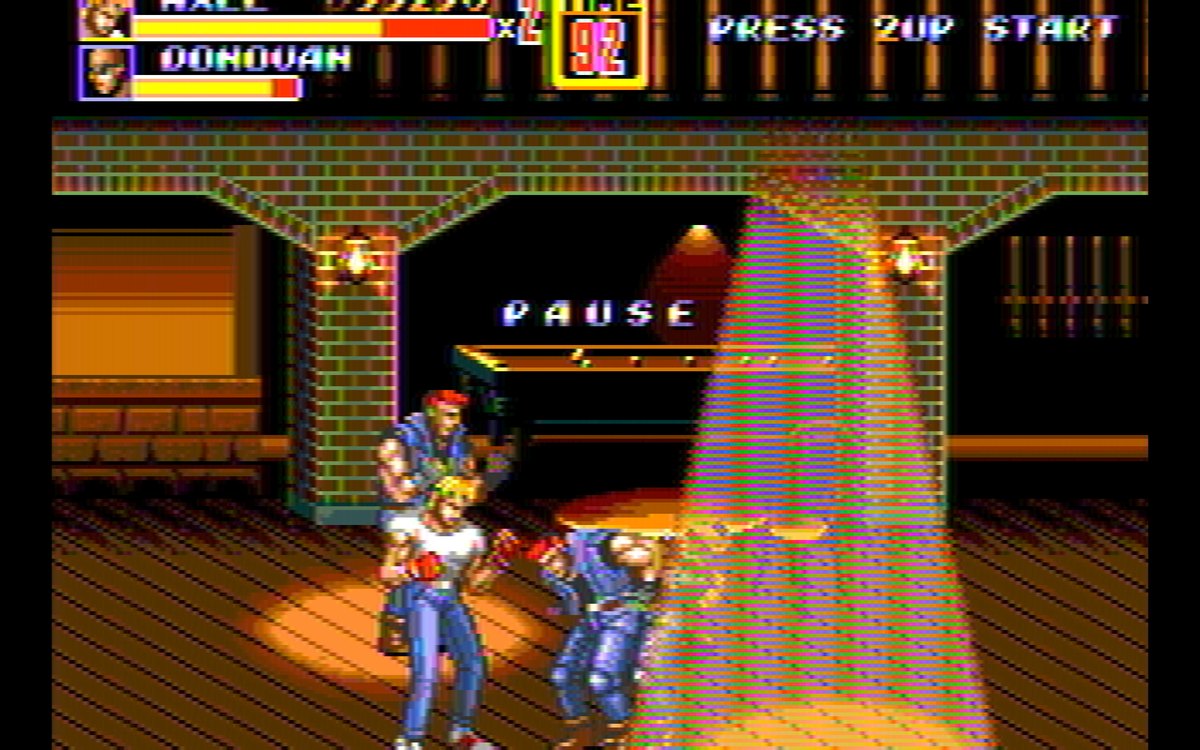
Streets of Rage 2 over composite
Analog Path SimulationRGB, S-Video, composite or RF, from the console's encoder to the TV's decoder.
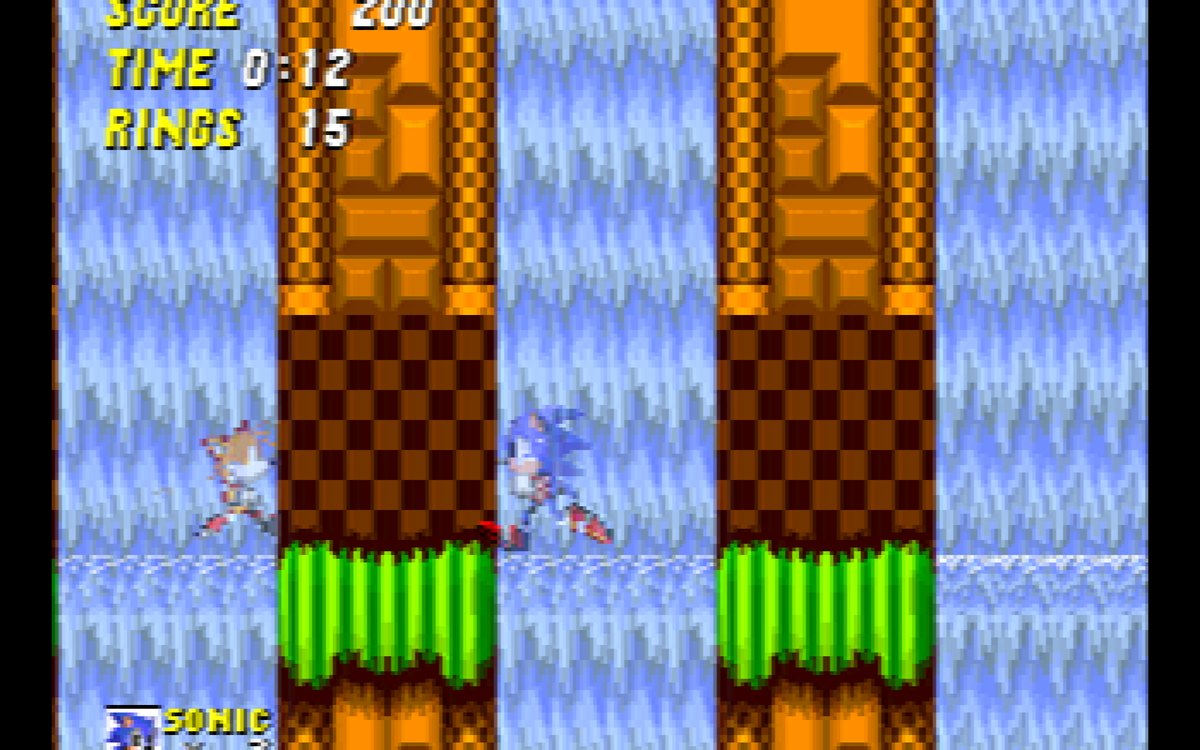
Sonic 2 with Amplifier Blur
Amplifier BlurThe softness of the TV's video amplifier, which blended dithered waterfalls.
Phosphor Glow
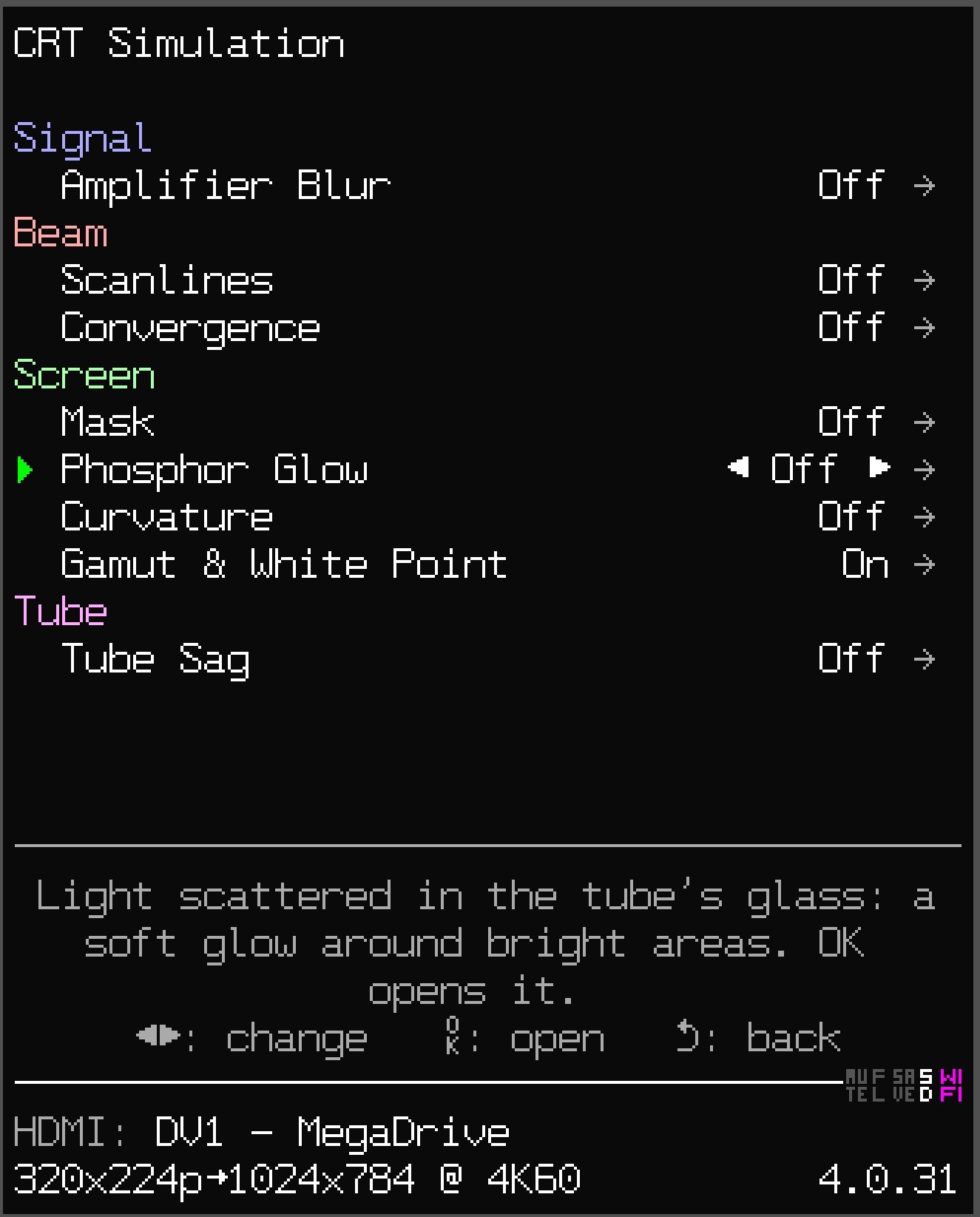
Phosphor GlowLight scattering in the glass, energy-conserving so the picture stays bright.
Curvature
Curvature & Corner ConvergenceReal tube geometry, with the scanlines drawn along the curve.
Japan TV color
Gamut & White PointPeriod-correct color for US, Japanese and European sets.
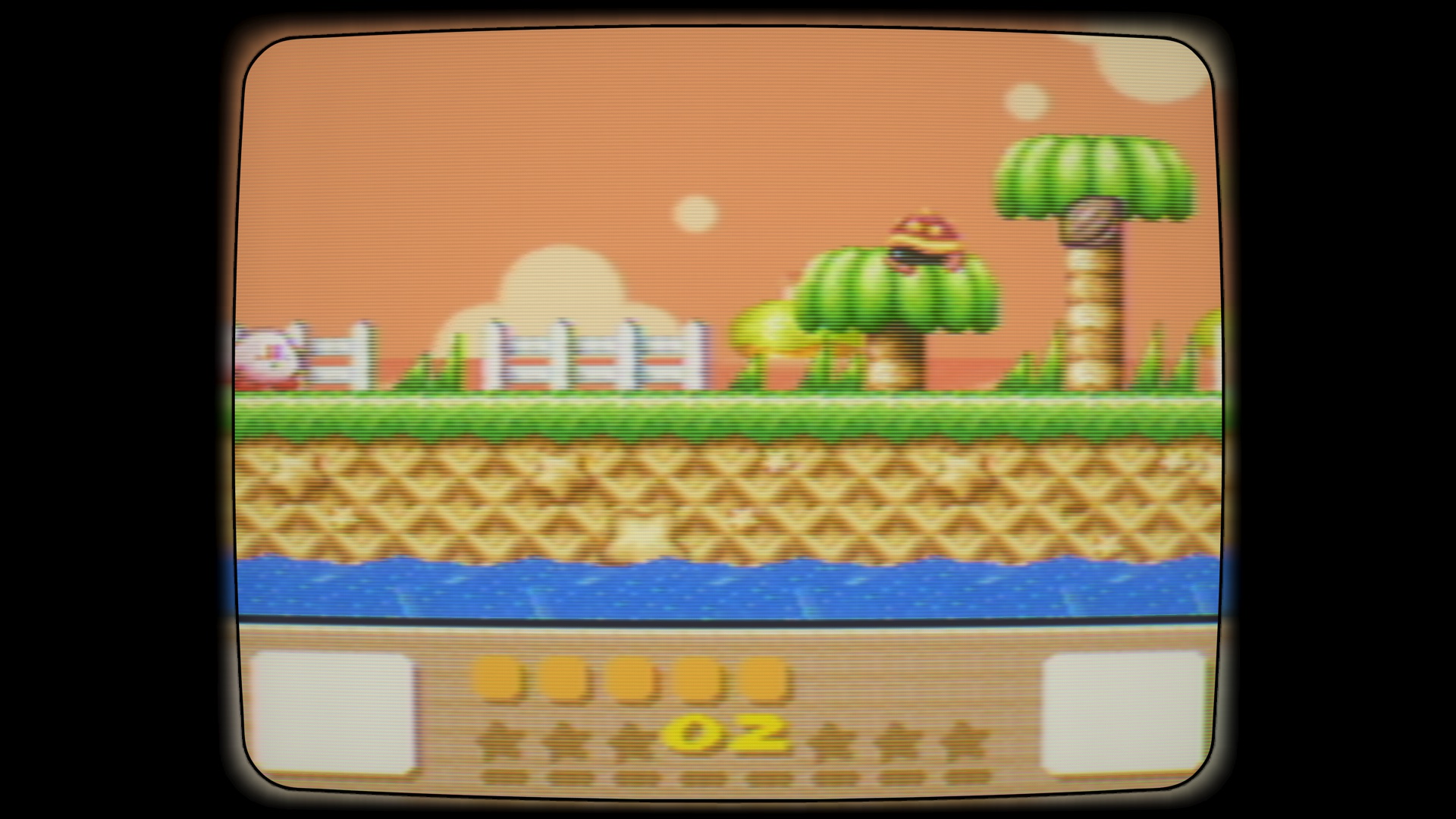
Kirby's Dream Land 3 (SNES) with Bezel Reflection lighting the bezel lip
Bezel & GlassBezels from the SD card, with Bezel Reflection lighting the lip every frame.
Every stage is a setting

Tune it while the game runs.

The CRT Simulation menu is laid out in the order the signal travels, with a built-in description for each setting. Save presets per game with Game-ID, or start from the PDM-20 or one of the Real Sets.

The CRT Simulation menu
CRT Simulation menuOSD
Real Sets presets

24 real CRTs, connected the way you remember.

Every Real Sets preset is built from that set's own service manual and factory specifications. Then it's connected the way the set really was: RF into the living-room Trinitron, S-Video into the Commodore 1702, RGB into a broadcast BVM.

Pick a set
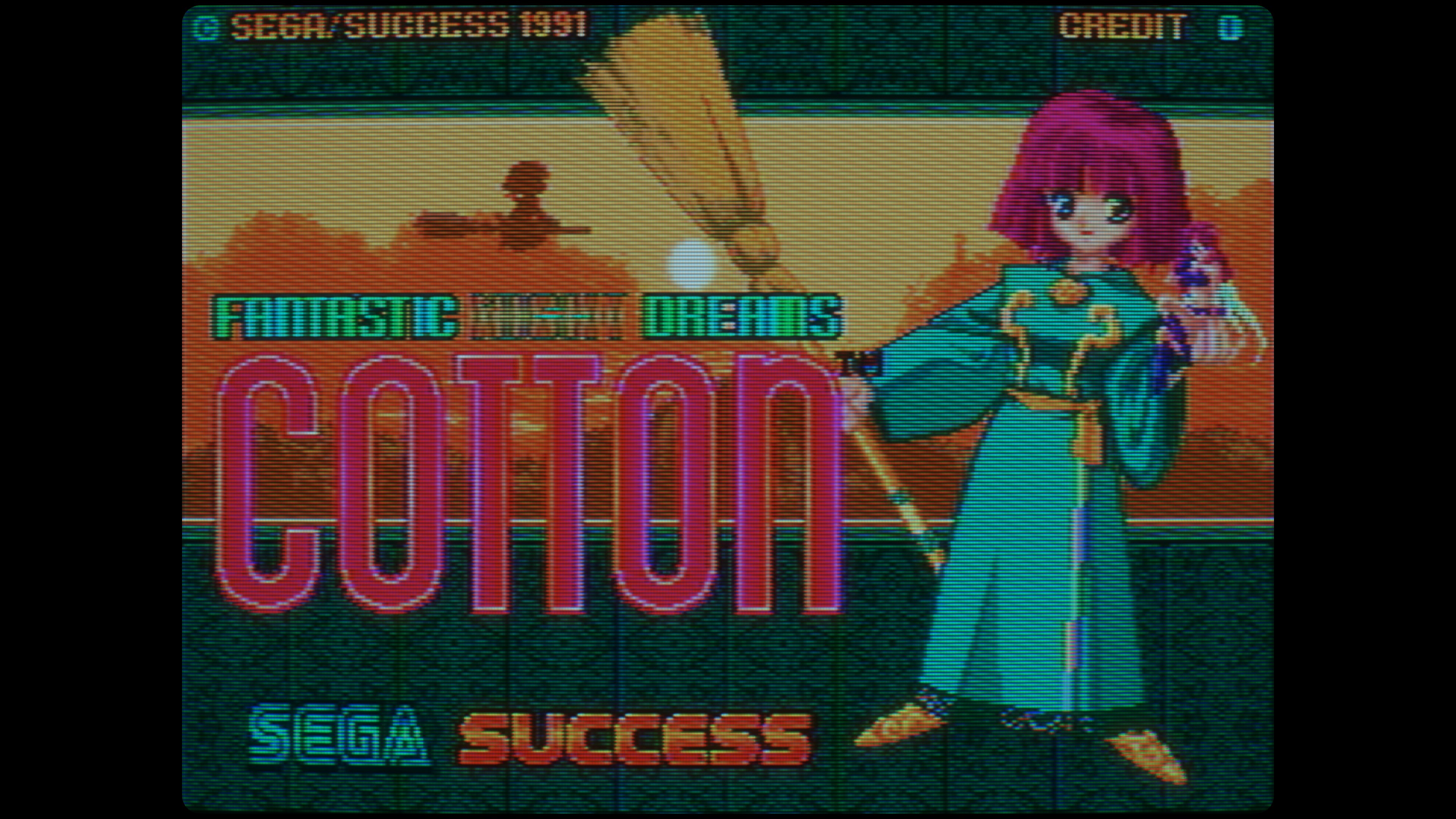
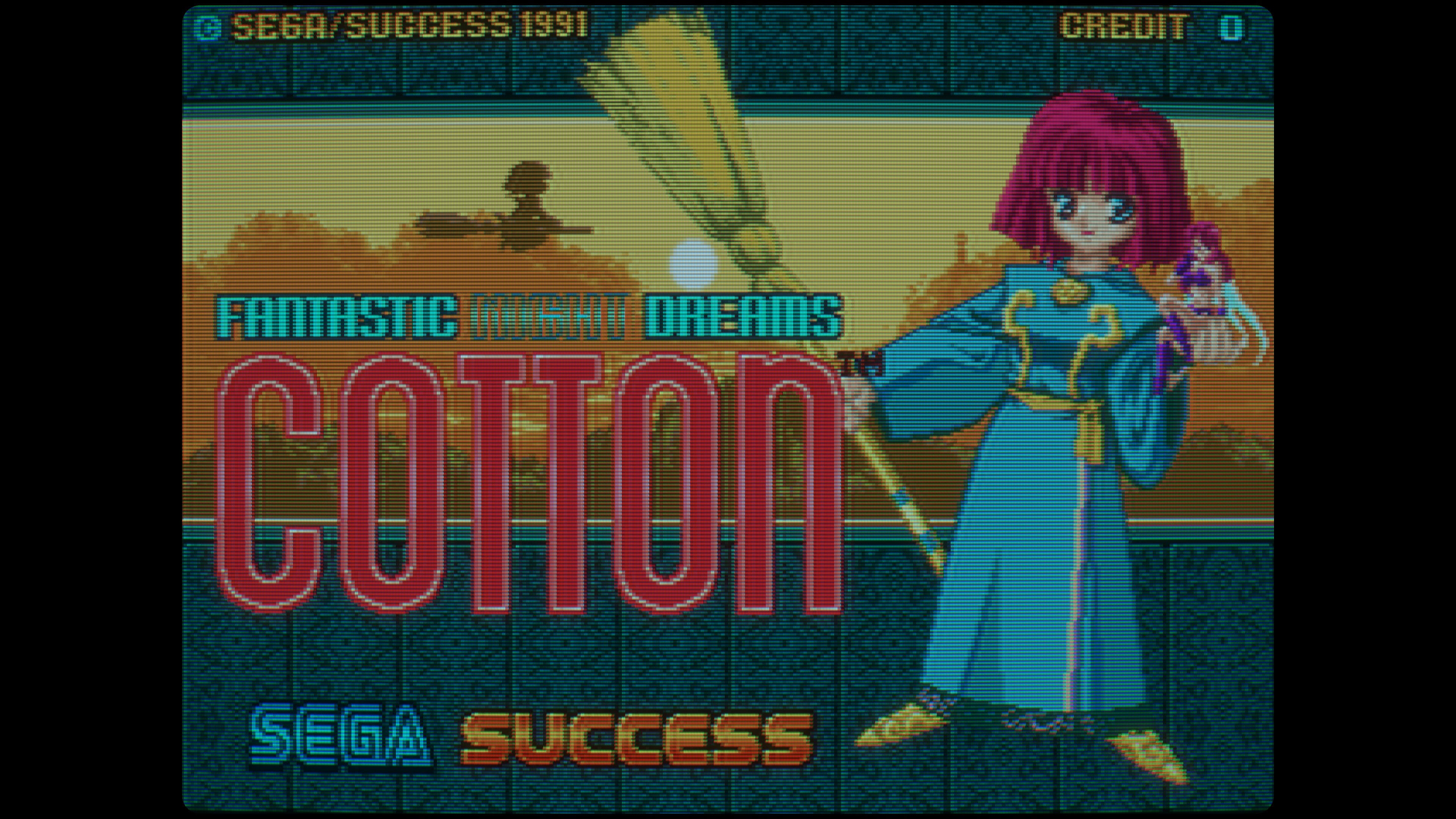
Cotton on her title screen, through the Sony KV-25XBR preset over RF
RFThrough the set's own tuner
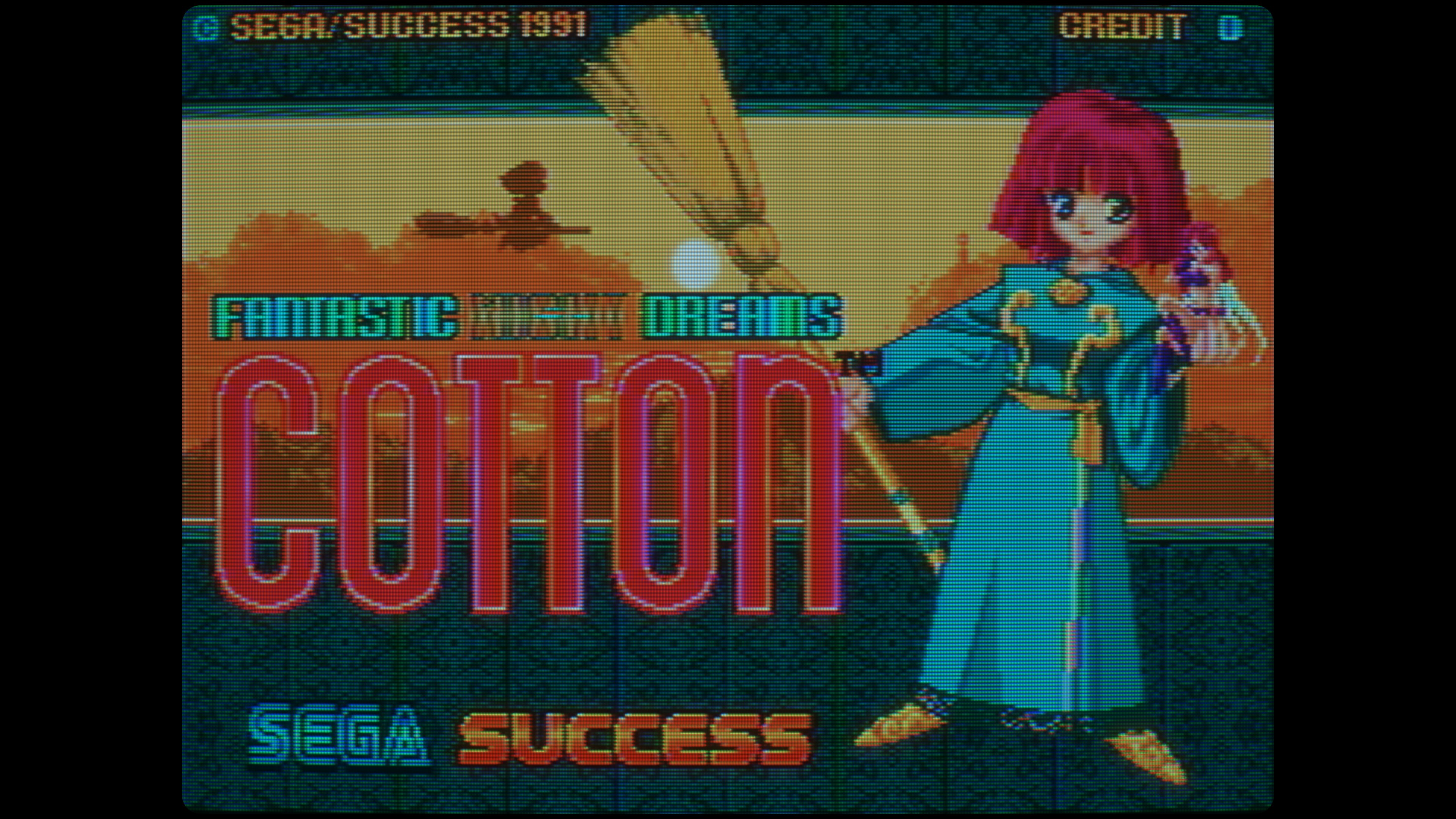
Cotton on her title screen, through the Sony KV-25XBR preset over composite
CompositeThrough the composite jack
Cotton on her title screen, through the Sony KV-25XBR preset over RGB
RGBThrough its RGB input

One frame of Cotton through the Sony KV-25XBR's three inputs, captured from the Morph 4K's 4K output. Click a picture for the full frame.

24 sets68 presets5 kinds of input

Download them on the Morph 4K itself: Presets → Download/Update presets via WiFi. Then tweak any stage, or save your own.

02A sharp, clean picture · Universal Adaptive & Spatial Super Resolution
Scaling & smoothing

Or keep it sharp.

3D, PC and video sources get clean 4K scaling, and the sources that need help get repaired. Drag to compare.

Before After
NearestSuper-xBR
F-Zero GX · GameCube at 480p · 200%Drag ◀ ▶
Inputs

HDMI built in. Analog installed, or added later.

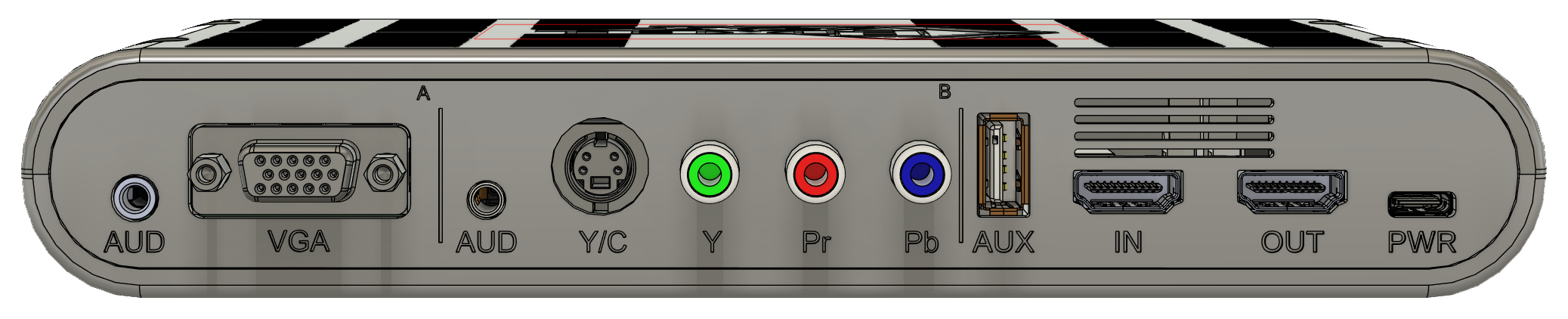
Every Morph 4K takes HDMI up to 1080p60. The Analog Bridge adds composite, S-Video, SCART RGB, component and VGA, through a connector card you choose. Order the Morph 4K with it already installed, or add it any time. Each card lists the formats its two ports accept.

SCART and Component connector card

SCART & Component

FormatPort A Euro SCART
Port B Component
3.5 mm audio
RGBS✓✓
RGsB✓✓
RGBHV✓–
YPbPr✓✓
Composite✓✓
S-Video✓✓
Sync & pin notes
  • Port A: Sync: TTL csync, attenuated csync, composite video sync, luma, and separate H/V sync at TTL level (TTL csync also works on the H sync line).
  • Port A: Composite on the green/sync pin; S-Video on the green and red pins.
  • Port A: RGBHV with VSync on pin 12, set with a 1.27 mm jumper.
  • Port B: Composite on the green jack; S-Video on the green and red jacks (shared with the S-Video port).
  • Port B: 3.5 mm audio: S/PDIF (Toslink) or analog.
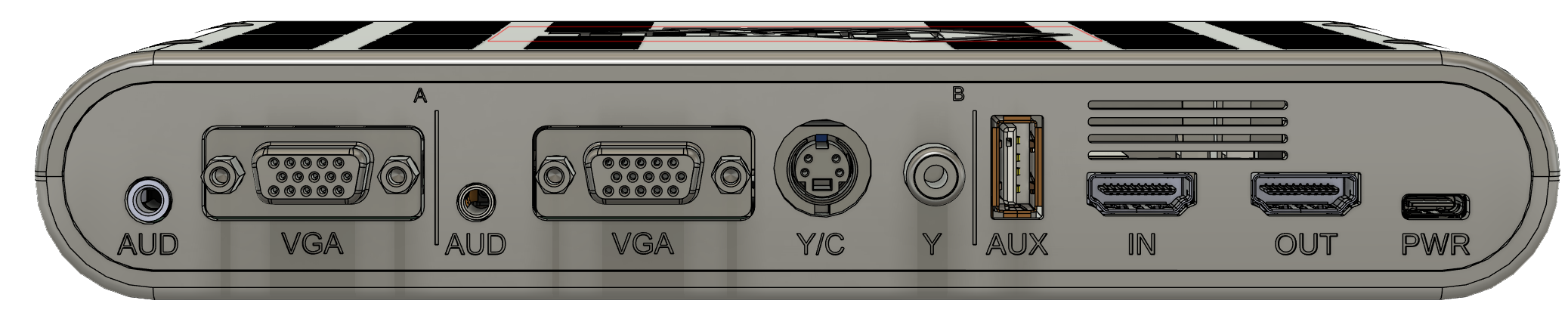
VGA and Component connector card

VGA & Component

FormatPort A VGA
3.5 mm audio
Port B Component
3.5 mm audio
RGBS✓✓
RGsB✓✓
RGBHV✓–
YPbPr✓✓
Composite✓✓
S-Video✓✓
Sync & pin notes
  • Port A: Sync: TTL csync, attenuated csync, composite video sync, luma.
  • Port A: Composite on the green/HSync pin; S-Video on the green and red pins.
  • Port A: Audio over pins 12 and 15, set with a 1.27 mm jumper.
  • Port B: Composite on the green jack; S-Video on the green and red jacks (shared with the S-Video port).
  • Port B: 3.5 mm audio: S/PDIF (Toslink) or analog.
VGA and VGA connector card

VGA & VGA

FormatPort A VGA
3.5 mm audio
Port B VGA
3.5 mm audio
RGBS✓✓
RGsB✓✓
RGBHV✓✓
YPbPr✓✓
Composite✓✓
S-Video✓✓
Sync & pin notes
  • Port A: Sync: TTL csync, attenuated csync, composite video sync, luma.
  • Port A: Composite on the green/HSync pin; S-Video on the green and red pins.
  • Port A: Audio over pins 12 and 15, set with a 1.27 mm jumper.
  • Port B: Sync: TTL csync, attenuated csync, composite video sync, luma.
  • Port B: Composite on the green pin and on the HSync pin; S-Video on the green and red pins (shared with the S-Video and composite port).
  • Port B: Audio over pins 12 and 15, set with a 1.27 mm jumper.
  • Port B: 3.5 mm audio: S/PDIF (Toslink) or analog.
Works over HDMI with:Retro G.E.M. consolesMiSTerOther FPGA consolesSteam DeckNintendo SwitchXbox 360PCs
Specifications

Specs.

Firmware v4. Features differ by Processing Engine; the docs list what each engine supports.

OutputHDMI, up to 4K60 4:4:4, HDR10
Pipeline12-bit linear light
HDMI inputUp to 1080p60 4:4:4: 240p, 480i, 480p, 720p, 1080i, 1080p and custom resolutions
Analog inputWith the Analog Bridge: composite, S-Video, SCART RGB, component, VGA
LatencyUltra-low-lag and fully buffered framelock modes, MagicLock2. Effects add lines of delay, not frames. Rotation adds one frame.
MotionVariable Refresh Rate, Black Frame Insertion, Beam Scan
Processing EnginesPhysical Display Model, Universal Adaptive, Spatial Super Resolution, Tate Mode
WirelessWiFi updates with automatic update checks, Web Interface, Bluetooth
StoragemicroSD: firmware updates, presets, profiles, masks, bezels, Processing Engines
ControlUSB-A serial port for external devices. Game-ID and controller menu control with a Retro G.E.M.
PowerUSB-C. Power supply not included; we recommend the Raspberry Pi power supply.
ExpansionAnalog Bridge (available now). Planned: analog output card (release date TBD).
FAQ

Questions.

Something else? Ask us on Discord.

Is the Morph 4K only for CRT effects?

No. It's a complete 4K scaler for any source up to 1080p, retro or modern: Lanczos and cubic scaling with anti-ringing, a motion-adaptive deinterlacer with Film mode (inverse telecine) and Edge Smoothing, Super-xBR, rotation, downscaling, HDR10, VRR, Black Frame Insertion and ultra-low-lag modes. CRT simulation is one part of it.

Does the CRT simulation add lag?

It adds lines of delay, not frames. It runs live on real consoles at 4K60, inside the FPGA.

Does the Morph 4K deinterlace 480i well?

Yes. Its motion-adaptive deinterlacer is state of the art, with Film mode (inverse telecine / IVTC), which detects 2:2 and 3:2 pulldown and recovers the original frames, and Edge Smoothing for clean diagonals in motion. For a true CRT look, the Physical Display Model engine draws each 480i field as its own scanlines instead, as a tube did.

Which consoles work with the Morph 4K?

Anything with HDMI up to 1080p: Retro G.E.M. consoles, MiSTer, other FPGA consoles, Steam Deck, Nintendo Switch, Xbox 360 and PCs. With the Analog Bridge it also takes composite, S-Video, SCART RGB, component and VGA.

Can I add analog inputs later?

Yes. The Analog Bridge fits any Morph 4K, with a choice of SCART & Component, VGA & Component or VGA & VGA connector cards.

Does the Morph 4K support HDR?

Yes, HDR10 output from a 12-bit linear light pipeline. With HDR on, bright scanlines and Phosphor Glow can reach well above SDR white while the gaps between lines stay black, which makes up for the light a mask and scanlines take away.

Can I make my own CRT profiles and masks?

Yes. Every stage of the simulation is a live setting, and you can save as many presets as you like to the SD card, per game with Game-ID. Masks can be drawn and edited live in the Web Interface, or generated from a real tube's size and phosphor pitch.

Do I need an SD card?

Not for basic use. A microSD card is needed for firmware updates, presets, profiles, masks, bezels and the extra Processing Engines.

Does the Morph 4K have pixel-art smoothing?

Yes: Super-xBR with our perceptual enhancements, xBRZ and Super Eagle, on progressive sources up to 1080p.
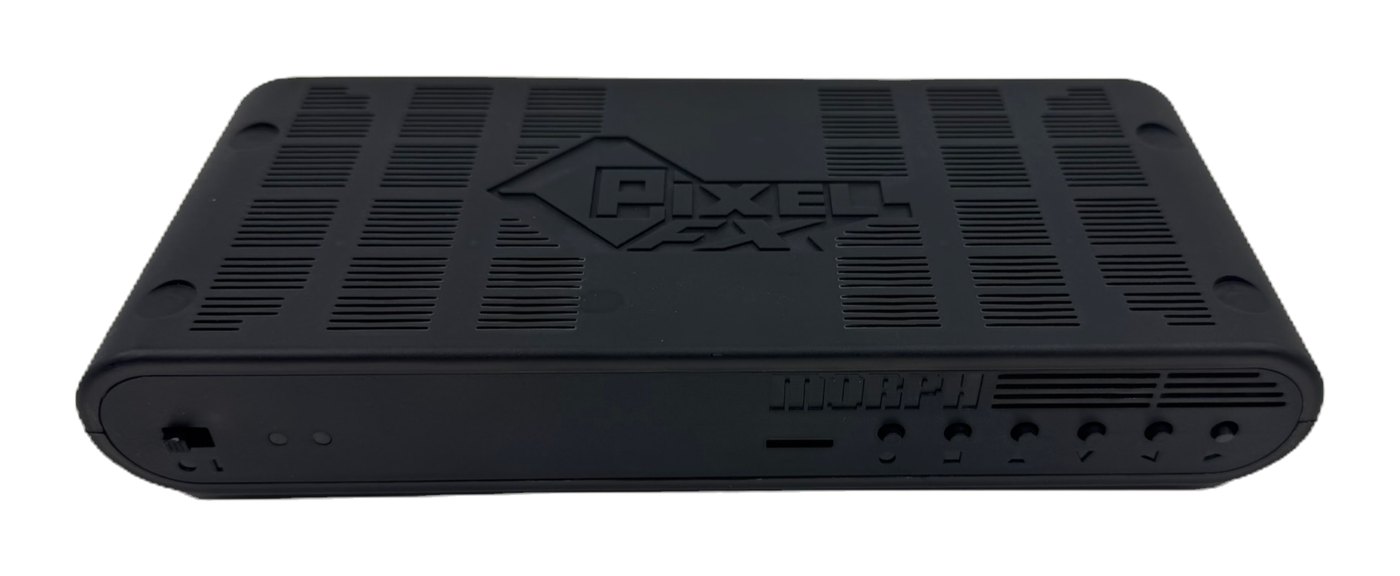
Morph 2K

Only need analog consoles on a 1080p or 1440p display? The Morph 2K has composite, S-Video, SCART and component built in, from $199.99.

See Morph 2K
Community

Ask us on Discord

Settings, setups and help, from other players and from the three of us.

Join the Discord
Newsletter

Follow along by email

New blog posts, technical deep dives, firmware releases and pre-orders.